AI Agent Lifecycle Management: How Enterprises Run Agents From Build to Retirement
Anil Nair is an enterprise AI strategist focused on AI governance, intelligent automation, agent orchestration and the architecture required to deploy AI systems safely across complex organizations.

Agent lifecycle management is what separates an organization running three agents from one running three hundred. The first can be watched by the team that built it, while the second needs defined stages, gates and owners or nobody can say what any given agent is allowed to do today.
The pressure shows up in ordinary operations. An energy utility with a meter exception agent will change its tariff rules, its document formats and its team within a year and the agent has to be re-checked against every one of those changes.
What Is AI Agent Lifecycle Management?
AI agent lifecycle management is the set of stages, decisions and records that govern an agent from the moment it is proposed to the moment it is retired. It covers the agent's scope, permissions, tested behavior, production performance and eventual shutdown.
It differs from the traditional software lifecycle in one important way. Software behaves the same until someone changes the code, while an agent's behavior can shift when the data, documents or business rules around it change, so the lifecycle has to include re-checking as a standing activity rather than an exception.
The Seven Stages of the AI Agent Lifecycle

Each stage ends in a decision and no stage should be reachable without the previous decision on record. The table shows the full path with the gate and the owner for each stage.
| Stage | What happens | Gate to pass | Owner |
|---|---|---|---|
| Define | Scope the task, the systems touched and the value target | Business case and named owner agreed | Business owner |
| Build | Configure the agent, connectors, rules and escalation paths | Design reviewed against policy | Technical owner |
| Evaluate | Test against real cases in a sandbox | Acceptance thresholds met | Business owner and risk |
| Deploy | Release with scoped identity and narrow permissions | Security and access approval | Platform and security |
| Operate | Run in production under monitoring | Signals within thresholds | Operations |
| Improve | Apply feedback, adjust rules, widen or narrow autonomy | Re-test passed before release | Technical and business owners |
| Retire | Shut down, revoke access, archive records | Retirement checklist complete | Business owner and security |
AWS prescriptive guidance on operationalizing agentic AI treats lifecycle management as its own focus area rather than a phase of a project, for the same reason: agents keep changing after launch.
Deploy Is a Controlled Release, Not a Switch
A controlled release means the agent goes live on a limited scope, with the narrowest permissions that let it do the job. A supplier onboarding agent can start with one category of vendors and read only access to the finance system, then widen once its record supports it.
Versioning belongs here. Every deployment records which model, prompts, rules and connectors were live, so a faulty release can be rolled back rather than debugged under pressure.
Improve Means Re-Testing, Not Just Tuning
Improvement covers the changes made after launch: corrected rules, new reference cases, adjusted thresholds and permission changes. The rule that keeps it safe is that each change re-runs the same test set from AI agent evaluation before release.
Autonomy changes are part of this stage. An insurance renewals agent moving from approval on every case to spot checks is a lifecycle decision with evidence behind it, not a configuration tweak.
Retiring an AI Agent
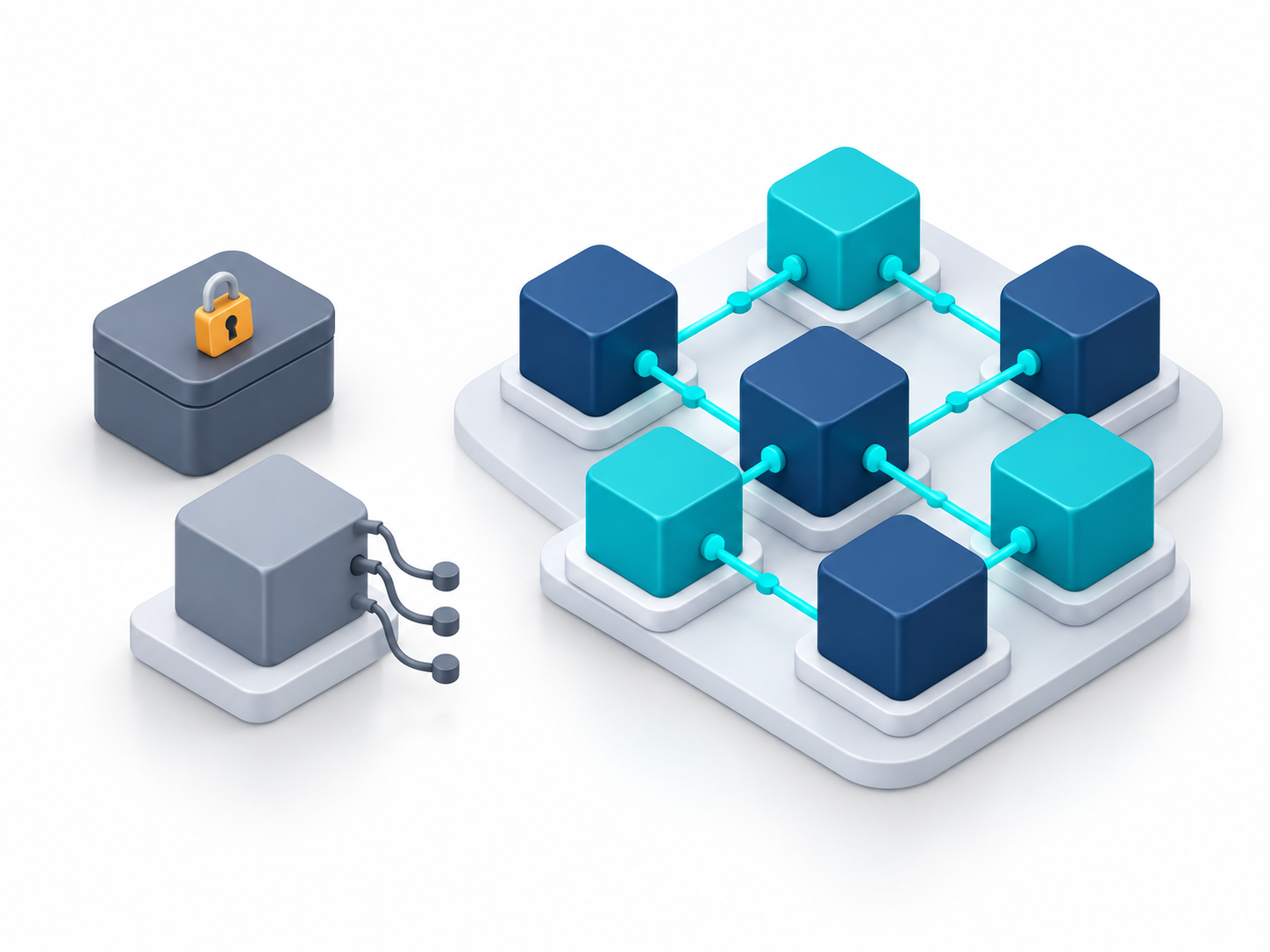
Agent retirement is the controlled shutdown of an agent, including revoking its credentials, removing its integrations and archiving its records. It is the most skipped stage and the one that leaves the largest security gap.
A retired agent that keeps its credentials becomes an orphaned identity with standing access to production systems. Microsoft's guidance on end to end agent lifecycle management treats this closing stage as part of the operating model rather than an afterthought and identity teams reach the same conclusion from the access side, as covered in our guide to AI agent identity governance.
A complete retirement covers four things: credentials revoked and integrations disconnected, records archived for the retention period the process requires, the work rerouted to people or another agent and a short note on why the agent was retired so the decision is not repeated blindly.
Common Failures in Lifecycle Management
Most lifecycle problems are not technical. They come from stages that have no owner or no gate.
- Evaluation happens once. The agent is tested before launch and never re-tested, so drift goes unnoticed until a customer or auditor finds it.
- Permissions only ever widen. Access is granted for a new task and never reviewed when the task ends.
- Ownership is not transferred. The original owner changes roles and no successor is recorded, leaving the agent unowned.
- No version history. A change breaks the agent and there is no known good state to return to.
- Nothing is ever retired. Agents built for a one time process keep running, consuming budget and holding access.
Production signals catch several of these early, which is why AI agent observability belongs to the Operate stage rather than to a separate monitoring project.
Conclusion
AI agent lifecycle management gives every agent a defined path with a decision at each step. Define the scope, build to policy, evaluate against real cases, deploy narrowly, operate under monitoring, improve with re-testing and retire cleanly.
The value grows with the size of the estate. Once the stages, gates and owners are set once, each new agent inherits them and the organization can answer what any agent is permitted to do today without opening its configuration.
Frequently Asked Questions
What is AI agent lifecycle management?
AI agent lifecycle management is the control of an agent through defined stages from definition to retirement, with a decision gate and a named owner at each stage. It covers scope, permissions, testing, deployment, monitoring, improvement and shutdown.
What are the stages of the AI agent lifecycle?
The seven stages are define, build, evaluate, deploy, operate, improve and retire. Each stage ends in a decision backed by evidence, such as test results before deployment or a completed retirement checklist before shutdown.
How is the AI agent lifecycle different from the software development lifecycle?
Software behaves consistently until the code changes, while an agent's behavior can shift when data, documents or business rules change around it. The agent lifecycle therefore includes scheduled re-testing and permission reviews as standing activities.
What happens when an AI agent retires?
Its credentials are revoked and its integrations disconnected, its records are archived for the required retention period, and its work is rerouted to a person or another agent. Skipping this leaves an orphaned identity with standing access to production systems.