Insights That Power Agentic Enterprises

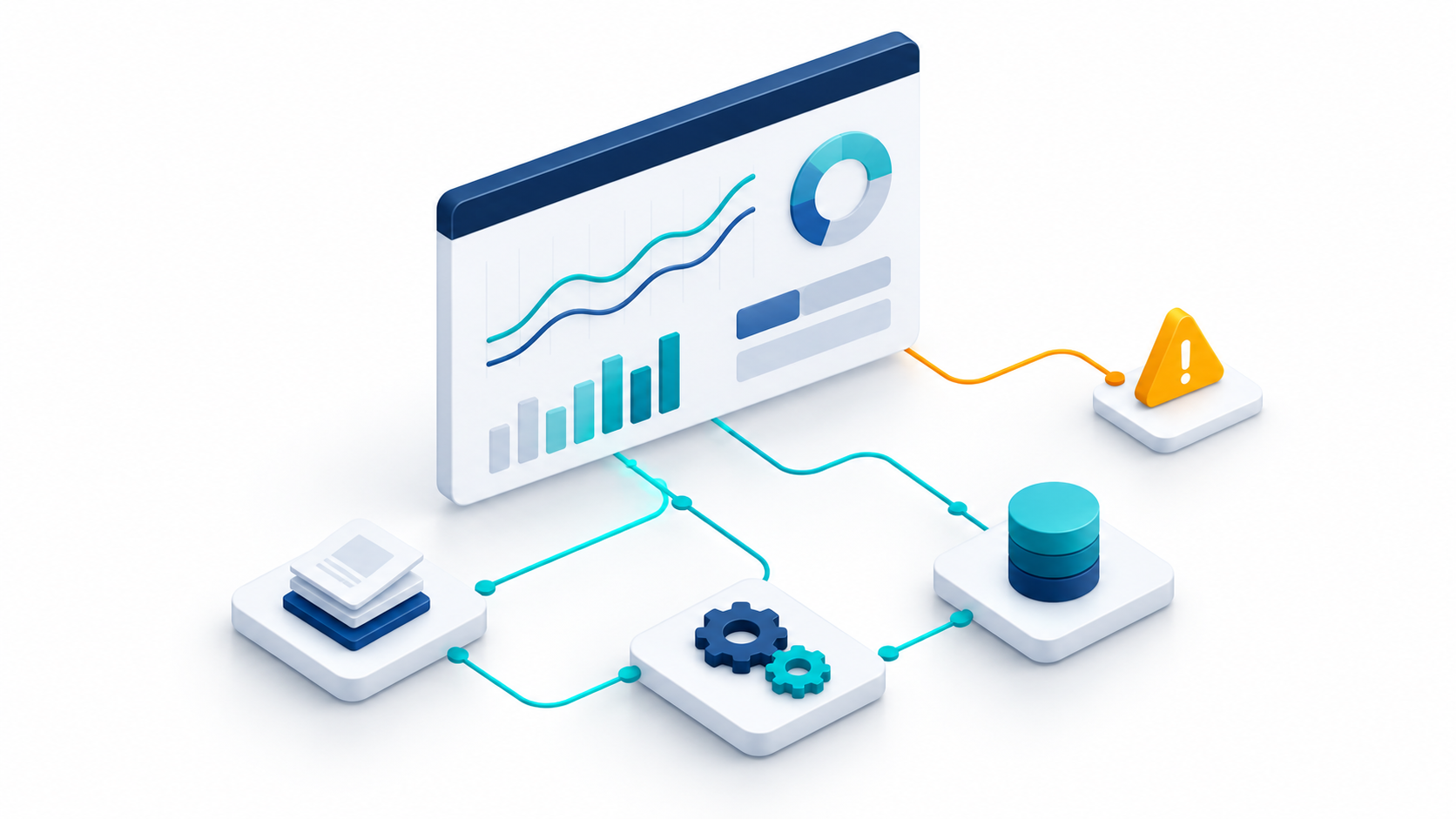
AI Agent Observability: How Enterprises Monitor AI Agents in Production
AI agent observability is the practice of recording and reviewing what agents do in production, covering task outcomes, tool calls, policy events, escalations and cost. It exists so an organization can tell whether an agent still behaves the way it did when it passed evaluation, and act before a small drift becomes a business incident.
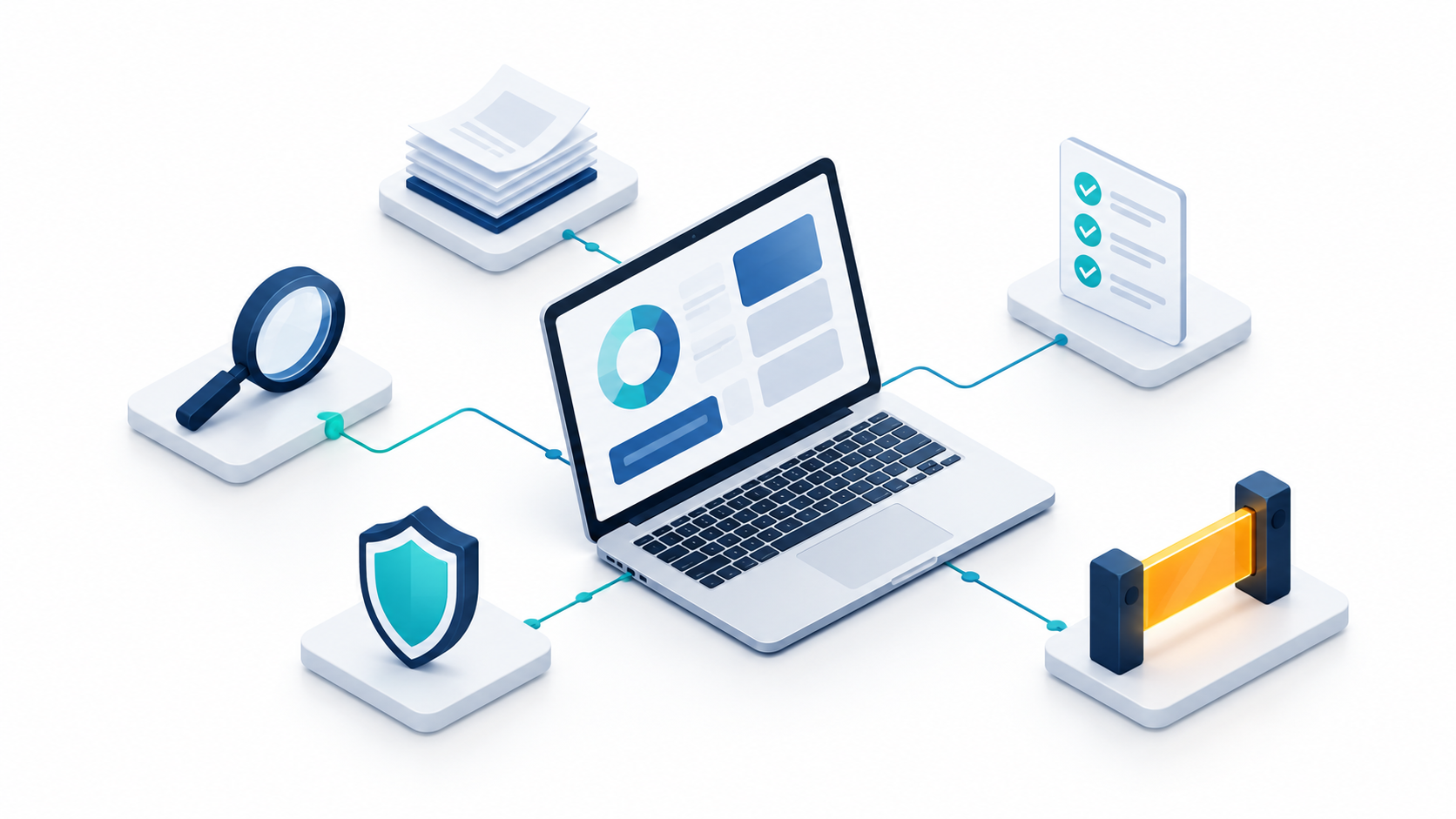
AI Agent Evaluation: How Enterprises Test and Validate Agents Before Production
AI agent evaluation measures whether an agent completes real business tasks correctly, follows policy and escalates when it should. It judges the sequence of actions an agent takes, not only its final answer, and it works as the gate that decides whether an agent is allowed into production and stays there after every change.

Human in the Loop AI: How Enterprises Design Approval and Escalation for AI Agents
In human in the loop AI, people approve, correct or stop AI actions at decision points the business defines in advance. For AI agents, that means routing irreversible, low confidence and out of policy actions to a named approver, letting routine work run under monitoring and treating every approval as feedback that corrects the agent, so autonomy widens once its confidence is calibrated and its record is proven.

How to Evaluate an Enterprise AI Platform: Criteria for CIOs and Architects
Choosing an enterprise AI platform comes down to seven checks: governance enforced at runtime, scoped identity and access, deployment flexibility, integration depth, model flexibility, lifecycle operations and total cost. Testing each platform on one real process shows more than any feature list.

AI Governance Framework: How Enterprises Structure Policies, Roles and Controls
An AI governance framework is the operating structure an enterprise uses to decide how AI is approved, controlled and monitored. It combines written policies, named owners, risk tiers, technical controls and ongoing monitoring, commonly aligned with the NIST AI RMF, ISO/IEC 42001 and the EU AI Act.

AI Agent Orchestration: How Enterprises Coordinate Multi Agent Workflows
AI Agent Orchestration coordinates specialized AI agents across enterprise workflows by managing task routing, delegation, communication, context transfer and workflow state, so the right agent handles each task and complex processes remain observable and accountable.
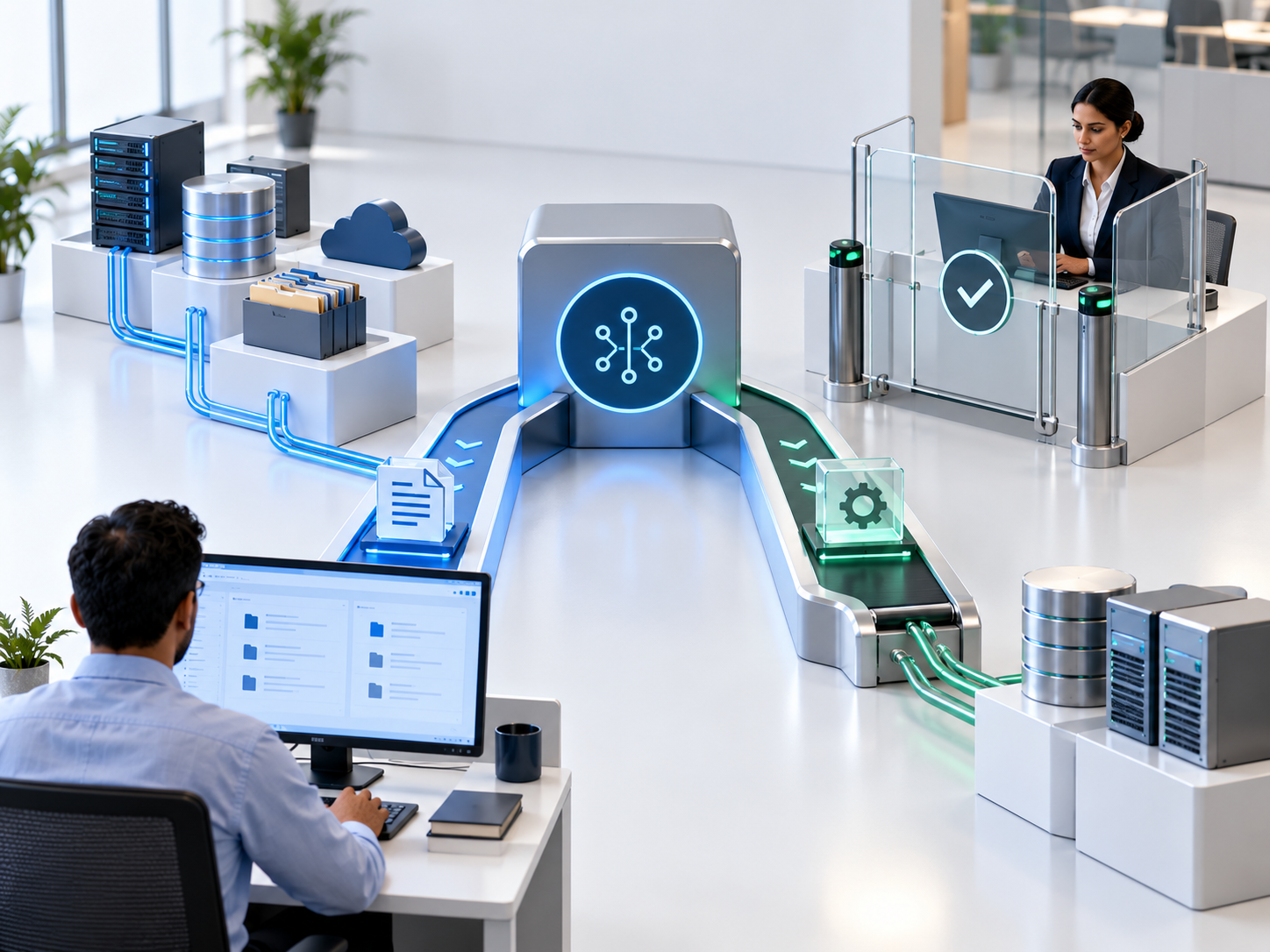
Read and Write Security for AI Agents: Controlling Enterprise Actions
Read and Write Security for AI Agents defines how enterprises control the information agents can retrieve and the changes they can make across business systems, separating read permissions from write permissions, limiting tool access, enforcing approval gates and recording every important action.

AI Agent Governance: How Enterprises Manage Agent Ownership, Policies, and Lifecycle
AI Agent Governance defines how enterprises establish accountability, ownership, policies, and lifecycle controls for AI agents, so organizations can manage agent adoption while maintaining oversight, consistency, and accountability.

AI Agent Identity Governance: The Enterprise Shift From Access to Accountability
AI agent identity governance is becoming a core enterprise requirement as autonomous agents gain access to business systems and data. Organizations now need to identify agents, define their permissions, assign accountable human sponsors, monitor activity and manage access throughout the agent lifecycle.

Enterprise Intelligence Layer: The Architecture Behind Governed Enterprise AI
An Enterprise Intelligence Layer connects enterprise data, business context, AI agents, workflows, governance, and human oversight into a shared operating foundation, instead of every AI system recreating context and controls on its own.
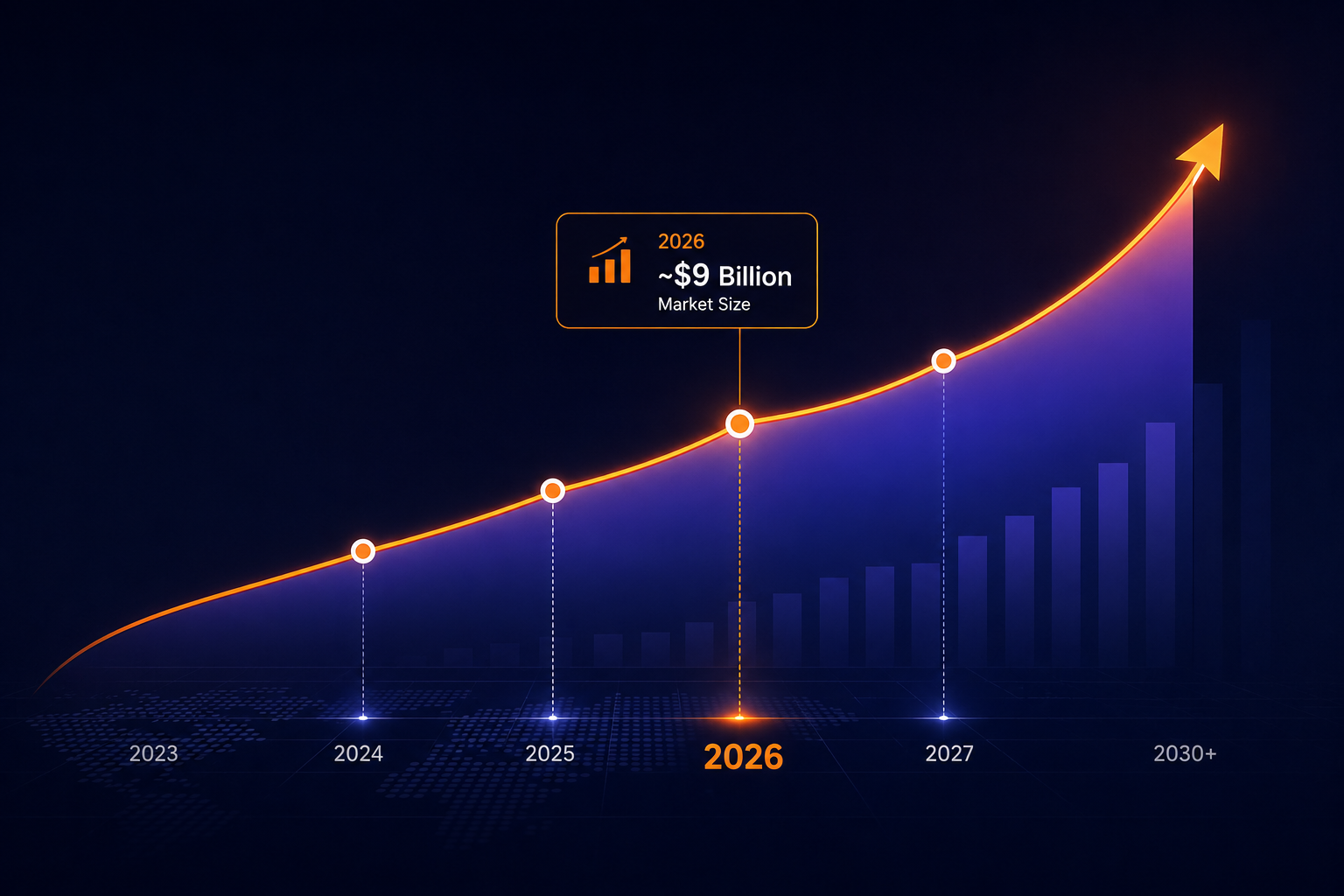
Agentic AI Statistics 2026: Adoption, ROI & Market Size
Verified agentic AI statistics for 2026: market size, adoption rates, ROI, and failure rates — sourced from Gartner, McKinsey, IDC, and Deloitte.
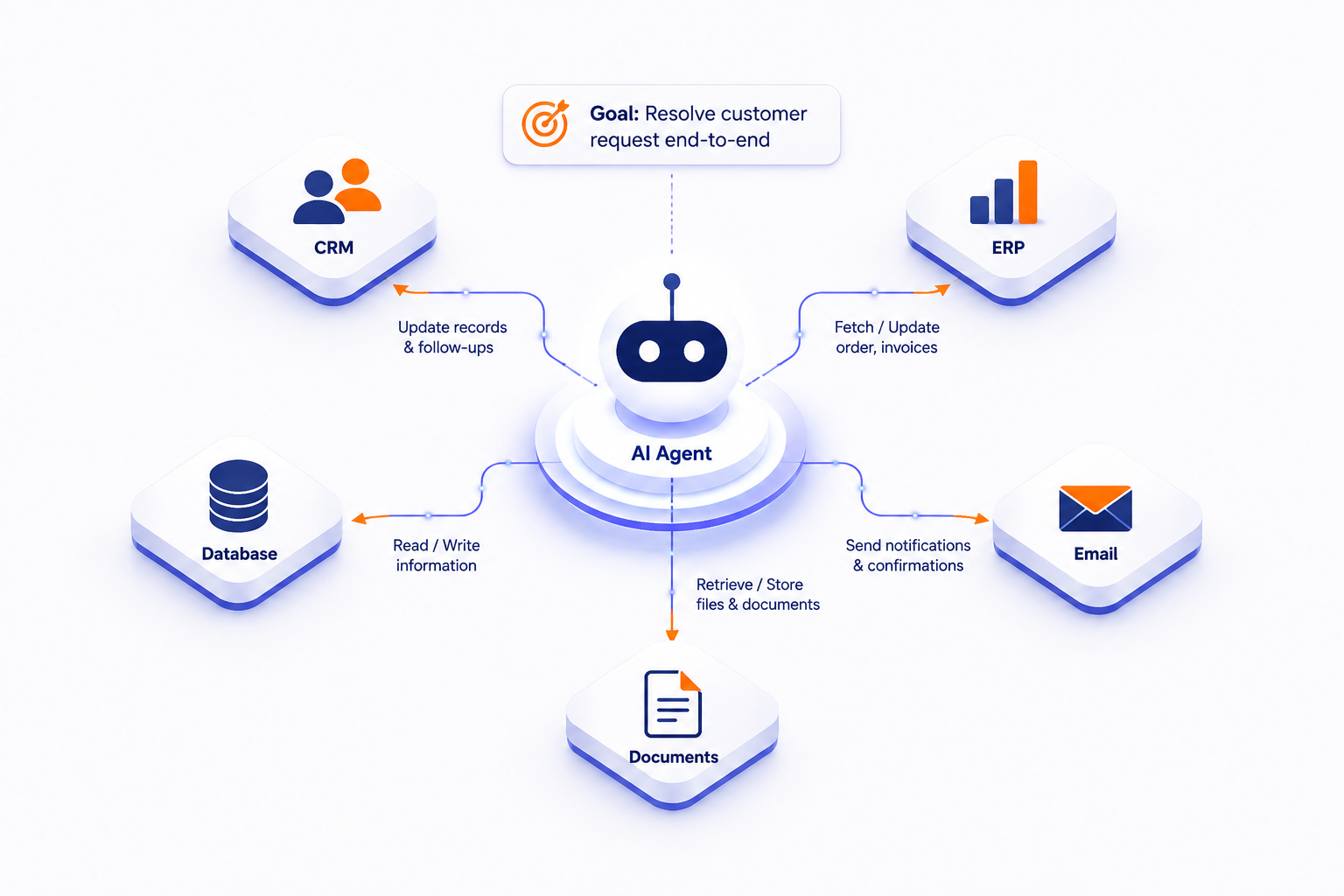
What Is Agentic AI? The Complete Enterprise Guide (2026)
Agentic AI is software that pursues goals and completes multi-step tasks on its own. Learn how it works, how it differs from generative AI, and enterprise uses.
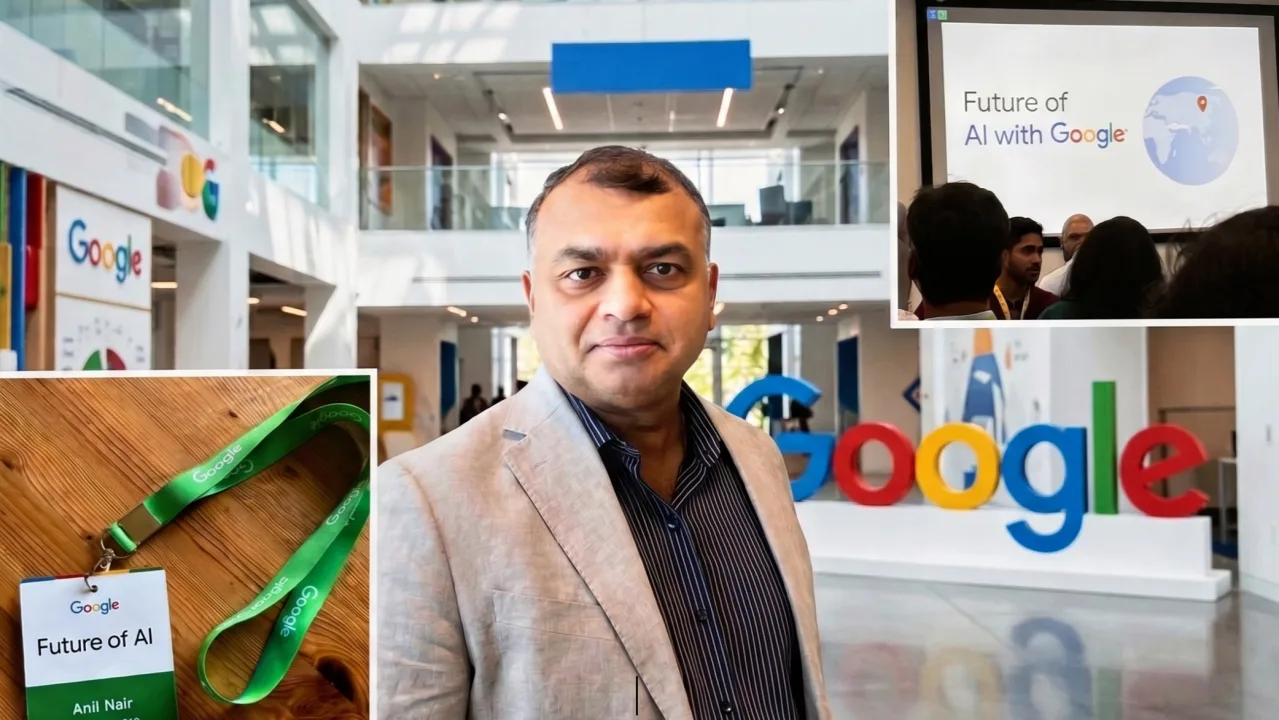
After Two Days at Google, I Realized Most Companies Are Not Ready for What's Coming in AI
Discover key insights from the Google Mountain View AI conference. Learn why agentic AI, context-driven systems, and operational intelligence are the future of enterprise software.