AIQoD Logo
    Back to Blog
    AI Governance
    November 6, 2026

    AI Agent Integration Beyond the Firewall: When Your Agents Start Working With Other Companies' Agents
    AN

    Anil Nair

    Anil Nair is the Founder and CEO of AIQoD, an Enterprise Intelligence Platform for governed autonomous operations. He writes about AI governance, agent orchestration and enterprise architecture.

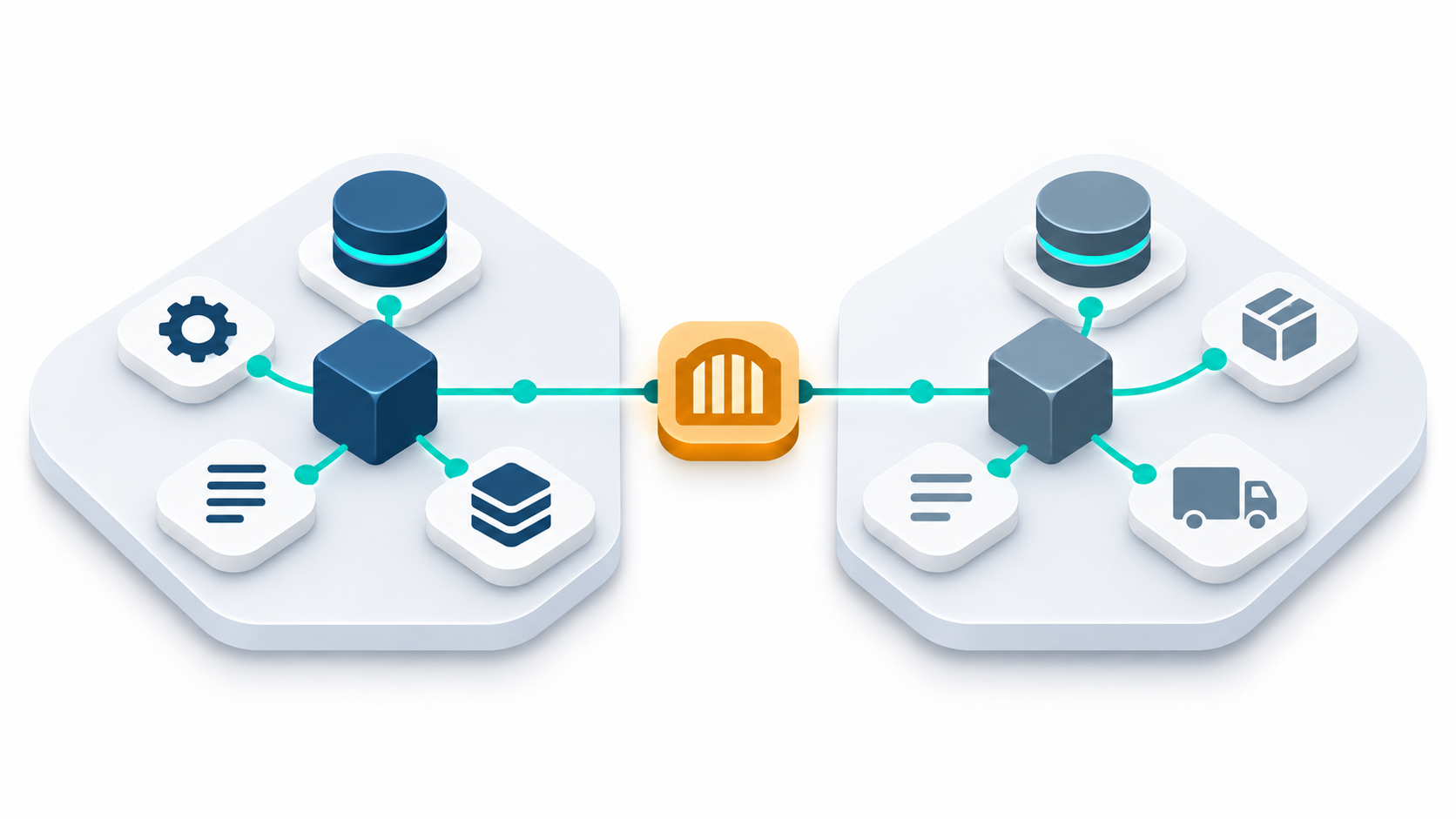
    AI agent integration between agents operated by two different companies
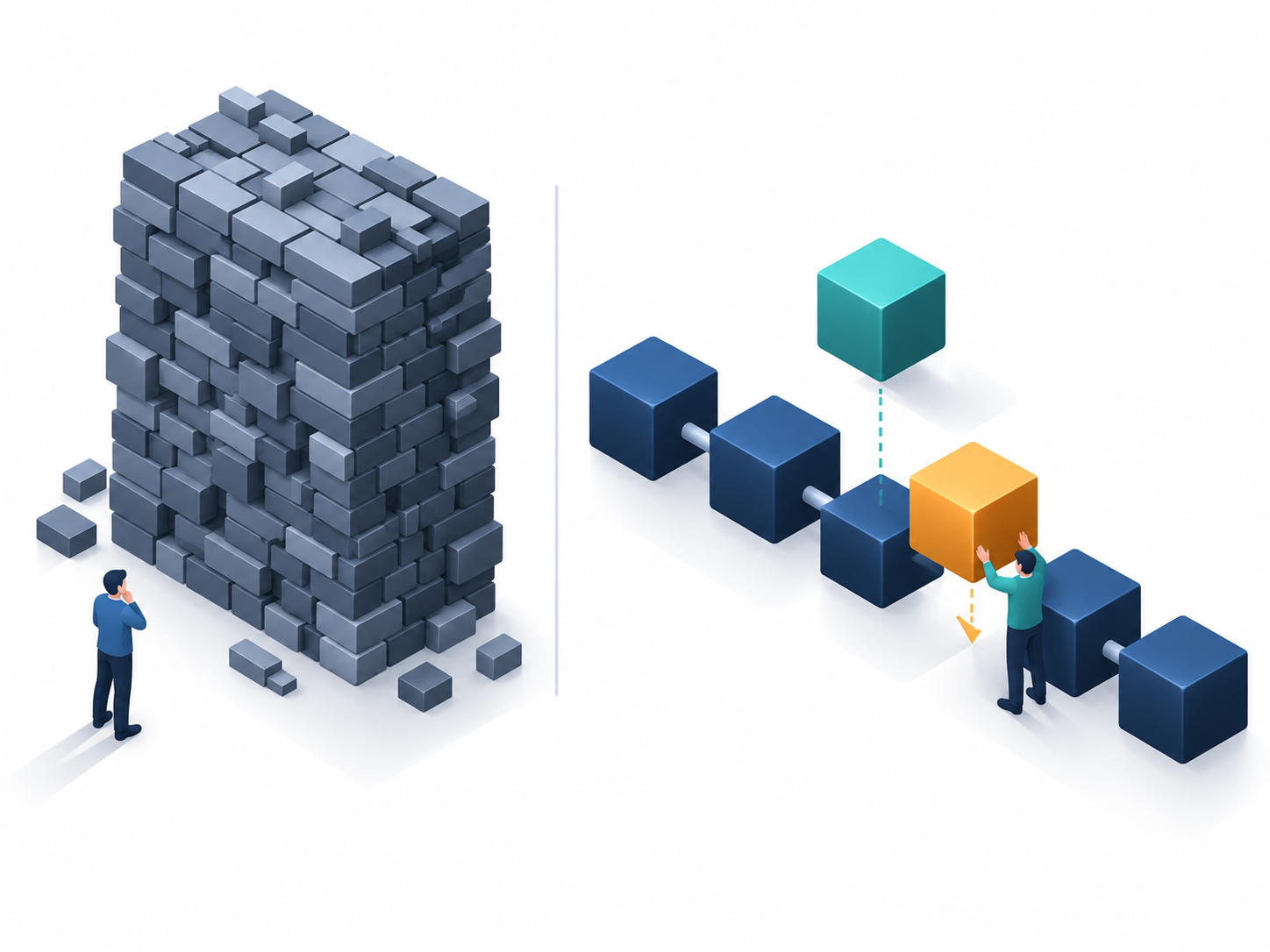
    Agents from two companies connect through a shared protocol, while each side keeps its own checkpoint for what can be shared and agreed.

    AI agent integration is entering a third phase. After connecting agents to internal systems and to each other, enterprises will connect them to agents run by suppliers, customers and partners. Open protocols make the connection possible. Trust, authority, liability and proof of what was agreed are still unsolved, and they will decide how fast this phase moves.

    Most writing about AI agent integration, including some of ours, is about connecting an agent to systems inside your own company: the ERP, the CRM, the service desk. That work matters, but it describes the present.

    The bigger shift is happening at the edge of the company. Agents are starting to work with agents that belong to someone else, and the rules for that have not been written yet.

    AI Agent Integration Has Already Moved Through Two Phases

    AI agent integration is the set of connections that let an agent read from, act on and coordinate with other systems and agents. So far it has developed in two phases, both inside the company boundary.

    The first phase connected agents to tools and data. APIs, event streams and protocols such as the Model Context Protocol gave agents a standard way to reach business systems.

    The second phase connected agents to each other. A service agent hands a refund to a finance agent, or a planning agent asks a procurement agent for supplier lead times, all under one organization's identity and policy rules.

    The Third Phase of AI Agent Integration Crosses the Company Boundary

    Cross company AI agent integration is the point where an agent you operate exchanges requests, data or commitments with an agent another organization operates. The two agents answer to different owners, different policies and different legal entities.

    Picture a manufacturer whose inbound shipment is running two days late. The manufacturer's planning agent contacts the carrier's scheduling agent, the two compare open delivery windows, and they settle on a new slot that carries an expedite fee. No person on either side typed a message, yet a commercial commitment now exists.
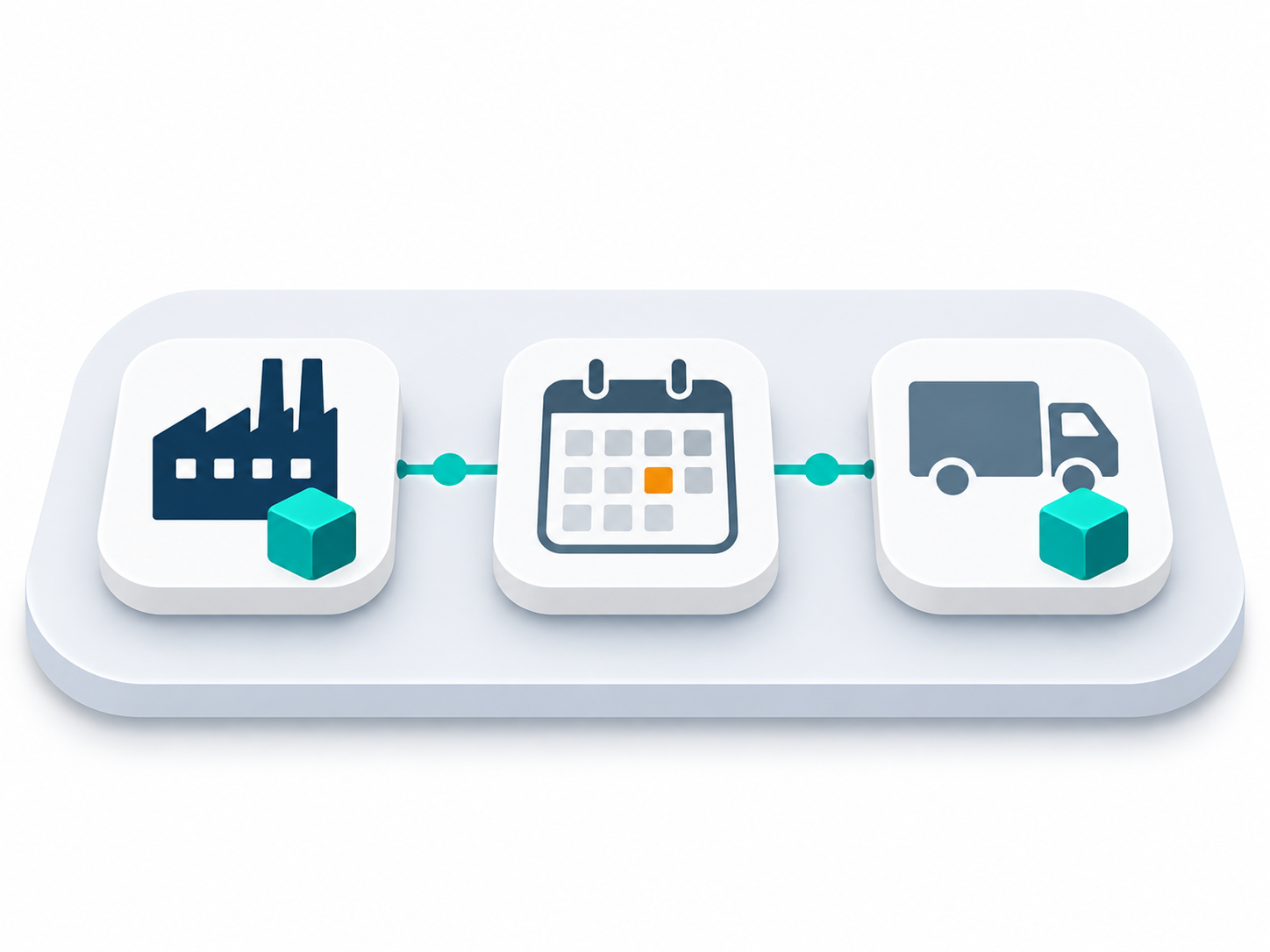
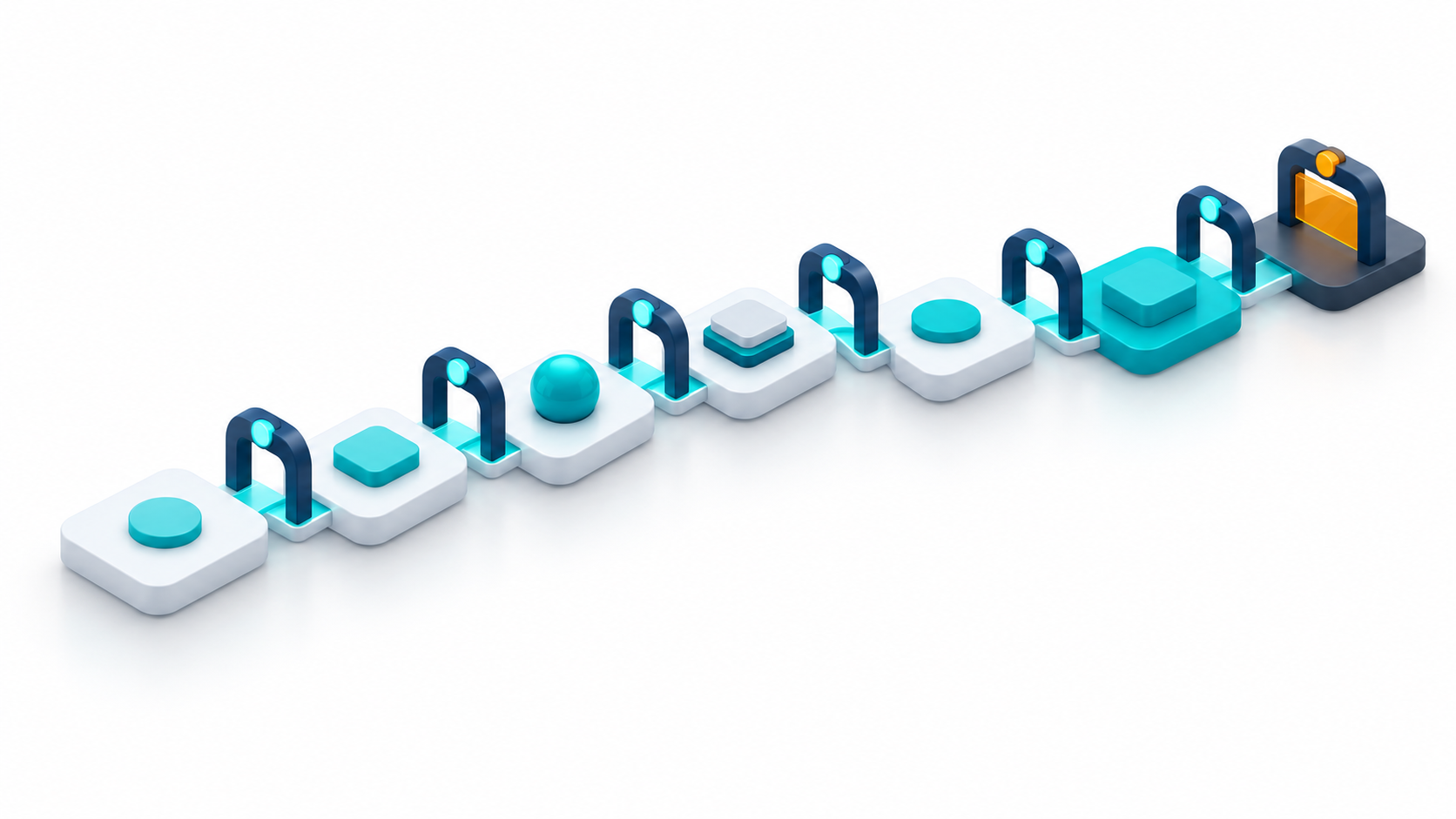
    A delivery reschedule agreed between a manufacturer's agent and a carrier's agent creates a real commercial commitment.
    A delivery reschedule agreed between a manufacturer's agent and a carrier's agent creates a real commercial commitment.

    The plumbing for this is maturing quickly. The Linux Foundation reported in April 2026 that the Agent2Agent (A2A) protocol had passed 150 supporting organizations and was in enterprise production use within its first year. With a shared protocol in place, connecting two companies' agents is becoming an integration task rather than a research project.

    What Agent Protocols Do Not Solve

    Protocols define how two agents exchange messages. They do not decide what either agent is allowed to agree to, so the open questions are about governance rather than the message format.

    Whose Policy Applies

    When two agents negotiate, each follows its own company's rules, and those rules can conflict. The carrier's agent may be allowed to apply expedited fees on its own, while the manufacturer's procurement policy requires approval for any unplanned spend.

    Without a clear way to surface that conflict, one agent either stalls or agrees to terms its company never authorized.

    Who Is Accountable for an Agreement

    An agreement reached by two agents still binds two companies, so each side needs a defined limit on what its agent can commit to. Delegated authority, the same idea that limits what a junior buyer can sign, has to be expressed in terms an agent can enforce.

    Above that limit, the agent should pause and send the decision to a named person. That approval gate keeps a fast exchange from turning into an unplanned contract.

    How Much Context to Share

    Agents perform better with context, but every piece of context shared with an outside agent leaves your control. A planning agent that shares production schedules to justify a delivery window has disclosed information a human planner would have kept back.

    Each agent that works across the boundary needs a defined view of what it may reveal, separate from what it may read internally.

    How to Prove What Was Agreed
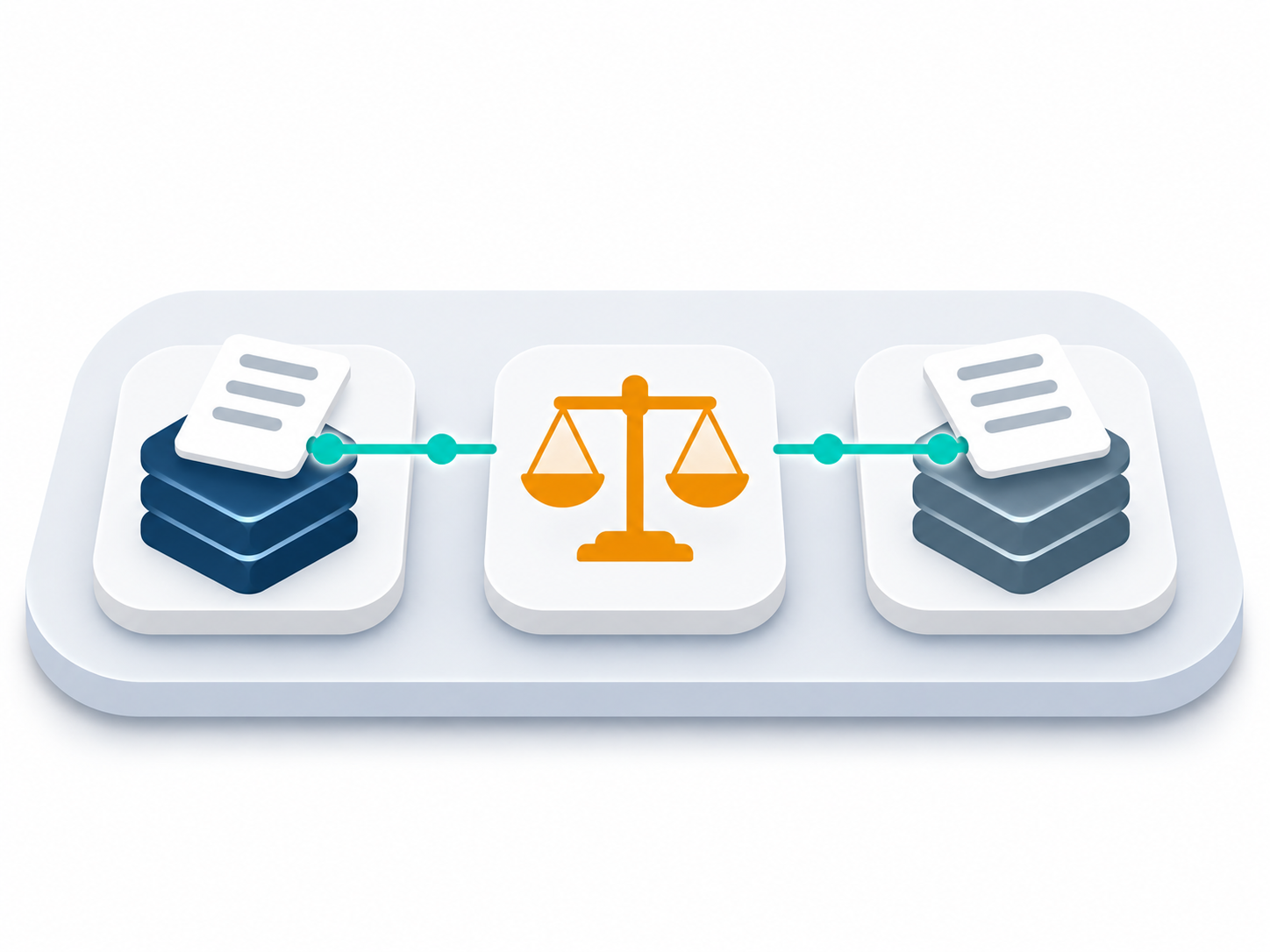
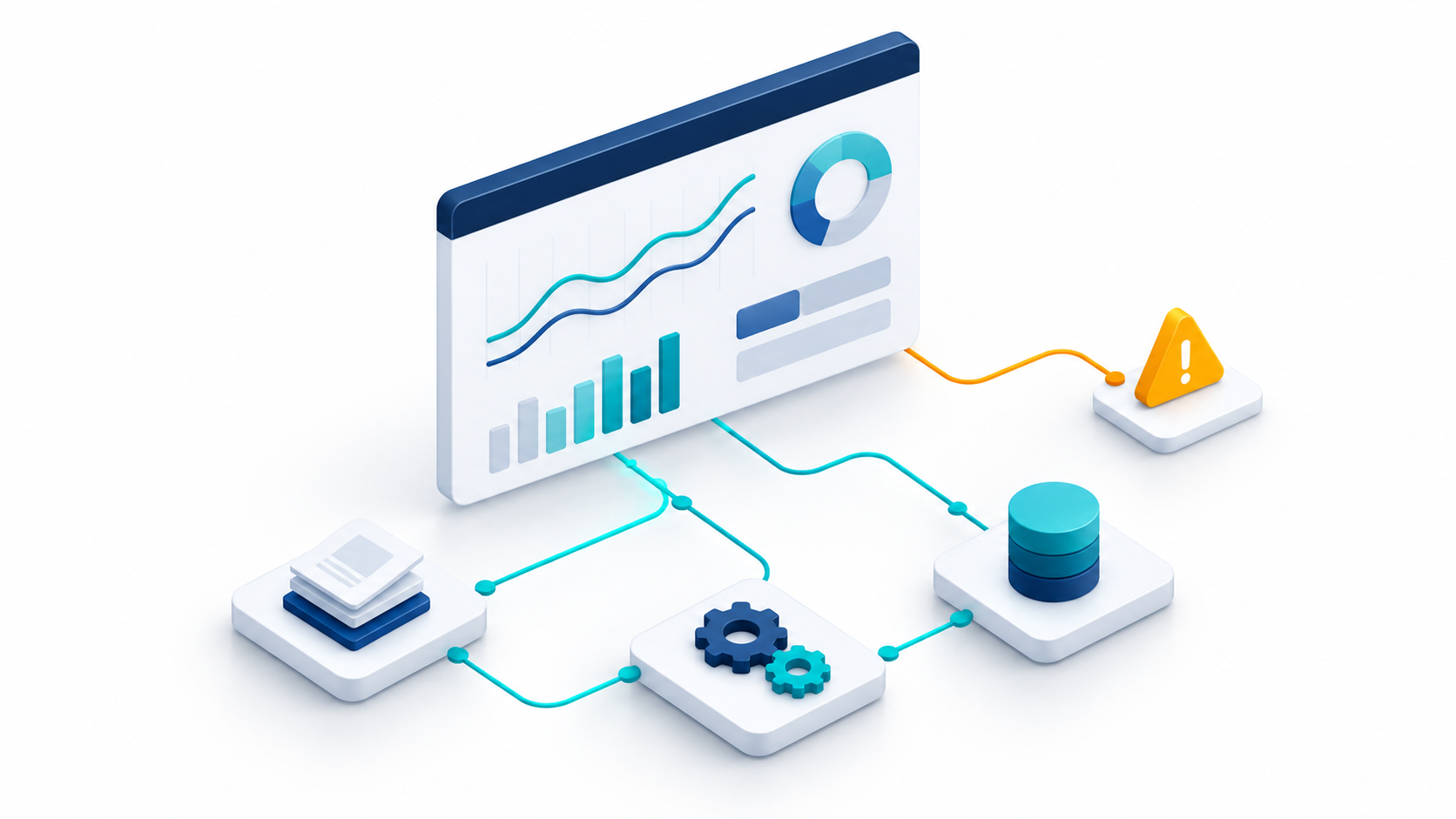
    Each company keeps its own record of what its agent proposed and accepted, so disputes can be settled on evidence.
    Each company keeps its own record of what its agent proposed and accepted, so disputes can be settled on evidence.

    Disputes between companies need evidence, and a conversation between two agents only works as evidence if both sides recorded it reliably. Each company needs its own complete record of what its agent proposed, received and accepted.

    When the invoice for the expedite fee arrives, the manufacturer should be able to show which agent agreed, under which policy and with whose approval.

    Internal Versus Cross Company AI Agent Integration

    Cross company integration changes almost every control that internal integration takes for granted. The table shows where the differences are largest.

    ControlInternal agent integrationCross company agent integration
    IdentityOne identity provider and directoryEach side verifies an agent it did not create
    PolicyOne set of company rulesTwo sets of rules that may conflict
    AuthoritySet by internal rolesSet as limits per counterparty
    Data sharingGoverned by internal classificationEvery exchange is an external disclosure
    AuditOne shared logSeparate records that must agree in a dispute
    EscalationRouted to an internal teamRouted to people on both sides

    Most of these controls build on foundations enterprises already have. Agent identity governance covers how an agent proves who it is, and AI agent observability covers how its actions are recorded and monitored once it is live.

    What Cross Company Agent Work Will Look Like by 2030

    By 2030, cross company agent work is likely to be routine wherever businesses already exchange orders, schedules and service requests at volume. The difference between companies will come from how well they govern it, and three developments are already taking shape.

    • Commercial terms for agents. Supplier and customer contracts will include clauses on what each party's agents may agree to, how disputes over agent decisions are settled and which records count as evidence.
    • Authority limits per counterparty. Companies will give an agent wider limits with a long standing supplier than with a new one, the same way credit terms vary today.
    • Enforcement at the moment of action. Policy written in a document will matter less than policy checked on every agent action as it happens.

    Analysts expect governance, not connectivity, to be where most of these deployments fail. Gartner predicts that by 2030, half of AI agent deployment failures will come from weak runtime enforcement by AI governance platforms and from interoperability problems across multiple systems, as reported by IT Brief. The companies that struggle will be the ones that can connect agents but cannot control what those agents do once connected.

    Conclusion

    AI agent integration is moving from a technical question about connecting systems to a business question about trusting agents you do not control. The protocols are arriving faster than the governance that should surround them.

    The companies that do well in this phase will set three things before their agents meet anyone else's: what those agents may share, what they may agree to and when a person has to step in.

    Frequently Asked Questions

    These answers cover the questions enterprises ask most often as their agents start working with agents outside the company.

    What is cross company AI agent integration?

    Cross company AI agent integration is the connection between an agent your organization runs and an agent run by another organization, such as a supplier or customer. It lets the two agents exchange requests, data and commitments without a person relaying each message.

    How is A2A different from MCP in AI agent integration?

    The Model Context Protocol standardizes how an agent connects to tools and data sources. The Agent2Agent protocol standardizes how one agent communicates with another, which is the layer cross company integration depends on.

    Who is liable when two companies' agents agree on something?

    Each company remains responsible for what its own agent agrees to, which is why both sides need defined authority limits for their agents. Commercial contracts are likely to add clauses covering agent decisions and the records used to settle disputes.

    What should an enterprise define before connecting its agents to external agents?

    It should define what each agent may share, what it may commit to without approval and who reviews decisions above that limit. It should also make sure every external exchange is recorded in a form that can serve as evidence.
    Related Articles

    No Code AI Agent Builder Adoption: Why Agent Ownership Is the Next Enterprise Problem

    No Code AI Agent Builder Adoption: Why Agent Ownership Is the Next Enterprise Problem

    No code AI agent builder tools have made agent creation a business skill rather than an engineering project. That moves the hard problem from building to ownership. Every agent needs someone who approves what it may do, answers for what it did and decides when it should stop, and that person is often not its builder.

    Read Article
    Shadow AI Is Becoming Shadow Agents: Why the Next Risk Is Action, Not Data

    Shadow AI Is Becoming Shadow Agents: Why the Next Risk Is Action, Not Data

    Shadow AI is moving from employees using unapproved chat tools to employees building unapproved agents that act on company systems. The risk changes with it. A chatbot can leak data, while an agent can update records, send messages and spend money under credentials nobody reviewed. Governance has to follow actions, not only data.

    Read Article
    Maintaining AI Generated Code in the Enterprise: The Hidden Cost of Fast Builds

    Maintaining AI Generated Code in the Enterprise: The Hidden Cost of Fast Builds

    Maintaining AI generated code in the enterprise depends on more than generation speed. Teams need clear structure, traceable dependencies, tested changes, reusable validated components and controlled operations after release. Modular, step based flows with scoped permissions and human approval keep AI enabled solutions understandable and safe to change for years.

    Read Article
    AI Agent Lifecycle Management: How Enterprises Run Agents From Build to Retirement

    AI Agent Lifecycle Management: How Enterprises Run Agents From Build to Retirement

    AI agent lifecycle management is the practice of controlling an agent through seven stages, from definition and build to evaluation, deployment, operation, improvement and retirement. Each stage ends in a decision that someone named has to make, backed by evidence, which is what keeps an agent estate governed as it grows.

    Read Article
    AI Agent Observability: How Enterprises Monitor AI Agents in Production

    AI Agent Observability: How Enterprises Monitor AI Agents in Production

    AI agent observability is the practice of recording and reviewing what agents do in production, covering task outcomes, tool calls, policy events, escalations and cost. It exists so an organization can tell whether an agent still behaves the way it did when it passed evaluation, and act before a small drift becomes a business incident.

    Read Article
    AI Agent Evaluation: How Enterprises Test and Validate Agents Before Production

    AI Agent Evaluation: How Enterprises Test and Validate Agents Before Production

    AI agent evaluation measures whether an agent completes real business tasks correctly, follows policy and escalates when it should. It judges the sequence of actions an agent takes, not only its final answer, and it works as the gate that decides whether an agent is allowed into production and stays there after every change.

    Read Article
    Human in the Loop AI: How Enterprises Design Approval and Escalation for AI Agents

    Human in the Loop AI: How Enterprises Design Approval and Escalation for AI Agents

    In human in the loop AI, people approve, correct or stop AI actions at decision points the business defines in advance. For AI agents, that means routing irreversible, low confidence and out of policy actions to a named approver, letting routine work run under monitoring and treating every approval as feedback that corrects the agent, so autonomy widens once its confidence is calibrated and its record is proven.

    Read Article
    How to Evaluate an Enterprise AI Platform: Criteria for CIOs and Architects

    How to Evaluate an Enterprise AI Platform: Criteria for CIOs and Architects

    Choosing an enterprise AI platform comes down to seven checks: governance enforced at runtime, scoped identity and access, deployment flexibility, integration depth, model flexibility, lifecycle operations and total cost. Testing each platform on one real process shows more than any feature list.

    Read Article
    AI Governance Framework: How Enterprises Structure Policies, Roles and Controls

    AI Governance Framework: How Enterprises Structure Policies, Roles and Controls

    An AI governance framework is the operating structure an enterprise uses to decide how AI is approved, controlled and monitored. It combines written policies, named owners, risk tiers, technical controls and ongoing monitoring, commonly aligned with the NIST AI RMF, ISO/IEC 42001 and the EU AI Act.

    Read Article
    AI Agent Orchestration: How Enterprises Coordinate Multi Agent Workflows

    AI Agent Orchestration: How Enterprises Coordinate Multi Agent Workflows

    AI Agent Orchestration coordinates specialized AI agents across enterprise workflows by managing task routing, delegation, communication, context transfer and workflow state, so the right agent handles each task and complex processes remain observable and accountable.

    Read Article
    Read and Write Security for AI Agents: Controlling Enterprise Actions

    Read and Write Security for AI Agents: Controlling Enterprise Actions

    Read and Write Security for AI Agents defines how enterprises control the information agents can retrieve and the changes they can make across business systems, separating read permissions from write permissions, limiting tool access, enforcing approval gates and recording every important action.

    Read Article
    AI Agent Governance: How Enterprises Manage Agent Ownership, Policies, and Lifecycle

    AI Agent Governance: How Enterprises Manage Agent Ownership, Policies, and Lifecycle

    AI Agent Governance defines how enterprises establish accountability, ownership, policies, and lifecycle controls for AI agents, so organizations can manage agent adoption while maintaining oversight, consistency, and accountability.

    Read Article
    AI Agent Identity Governance: The Enterprise Shift From Access to Accountability

    AI Agent Identity Governance: The Enterprise Shift From Access to Accountability

    AI agent identity governance is becoming a core enterprise requirement as autonomous agents gain access to business systems and data. Organizations now need to identify agents, define their permissions, assign accountable human sponsors, monitor activity and manage access throughout the agent lifecycle.

    Read Article
    Enterprise Intelligence Layer: The Architecture Behind Governed Enterprise AI

    Enterprise Intelligence Layer: The Architecture Behind Governed Enterprise AI

    An Enterprise Intelligence Layer connects enterprise data, business context, AI agents, workflows, governance, and human oversight into a shared operating foundation, instead of every AI system recreating context and controls on its own.

    Read Article
    Agentic AI Statistics 2026: Adoption, ROI & Market Size

    Agentic AI Statistics 2026: Adoption, ROI & Market Size

    Verified agentic AI statistics for 2026: market size, adoption rates, ROI, and failure rates — sourced from Gartner, McKinsey, IDC, and Deloitte.

    Read Article
    What Is Agentic AI? The Complete Enterprise Guide (2026)

    What Is Agentic AI? The Complete Enterprise Guide (2026)

    Agentic AI is software that pursues goals and completes multi-step tasks on its own. Learn how it works, how it differs from generative AI, and enterprise uses.

    Read Article
    After Two Days at Google, I Realized Most Companies Are Not Ready for What's Coming in AI

    After Two Days at Google, I Realized Most Companies Are Not Ready for What's Coming in AI

    Discover key insights from the Google Mountain View AI conference. Learn why agentic AI, context-driven systems, and operational intelligence are the future of enterprise software.

    Read Article

    Ready to Implement Agentic AI?

    Transform your enterprise with AIQoD's autonomous agents. Experience the future of agentic execution today.