AIQoD Logo
    Back to Blog
    AI Governance
    November 5, 2026

    No Code AI Agent Builder Adoption: Why Agent Ownership Is the Next Enterprise Problem
    AN

    Anil Nair

    Anil Nair is the Founder and CEO of AIQoD, an Enterprise Intelligence Platform for governed autonomous operations. He writes about AI governance, agent orchestration and enterprise architecture.

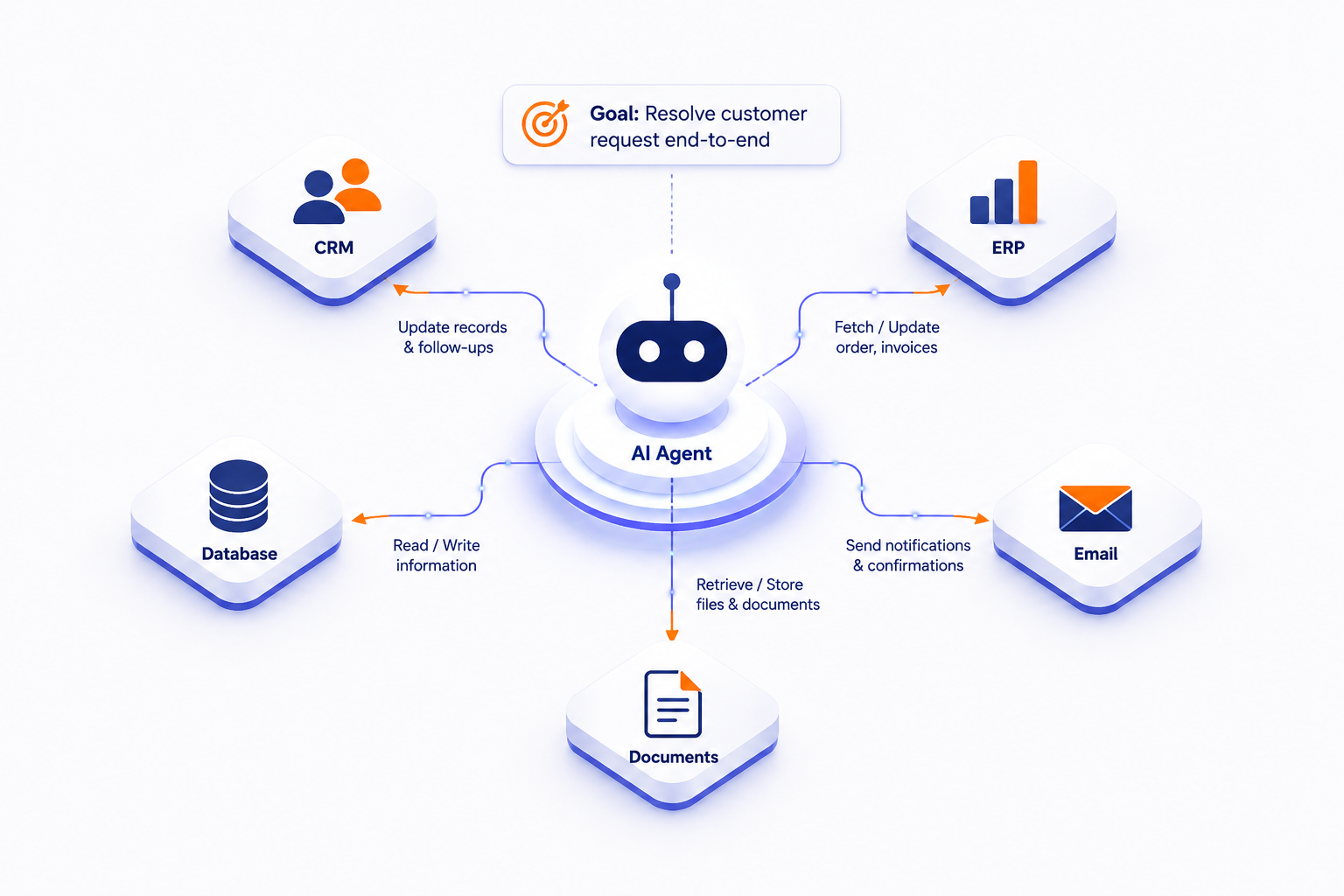
    Agents created with a no code AI agent builder, one without a named owner
    Building agents has become easy. The harder question is making sure every agent has someone who answers for it.

    No code AI agent builder tools have made agent creation a business skill rather than an engineering project. That moves the hard problem from building to ownership. Every agent needs someone who approves what it may do, answers for what it did and decides when it should stop, and that person is often not its builder.

    Every no code AI agent builder on the market makes the same promise: describe the work in plain language and a working agent appears. That promise has largely been kept, and I think the industry now spends too much energy on a problem that is close to solved.

    The question I hear from CIOs has changed. It is no longer how fast their teams can build agents, but who answers for an agent once it exists and what happens to it when the person who built it moves on.

    The No Code AI Agent Builder Has Mostly Solved the Building Problem

    A no code AI agent builder lets a business user create a working agent from a description of the task, without writing code. The barrier that once limited agents to engineering teams is now low enough for anyone with a clear process in mind.

    This direction is well documented. In its August 2025 forecast on agentic AI in enterprise applications, Gartner predicts that by 2029 at least half of knowledge workers will develop new skills to work with, govern and create AI agents on demand. When half the workforce can create agents, the number of agents in a large company will be set by business demand, not by engineering capacity.

    That is good news for productivity. It also means a governance model designed for a few dozen engineered agents will not hold for thousands of agents built across finance, operations and sales.

    Why Agent Ownership Becomes the Real Constraint
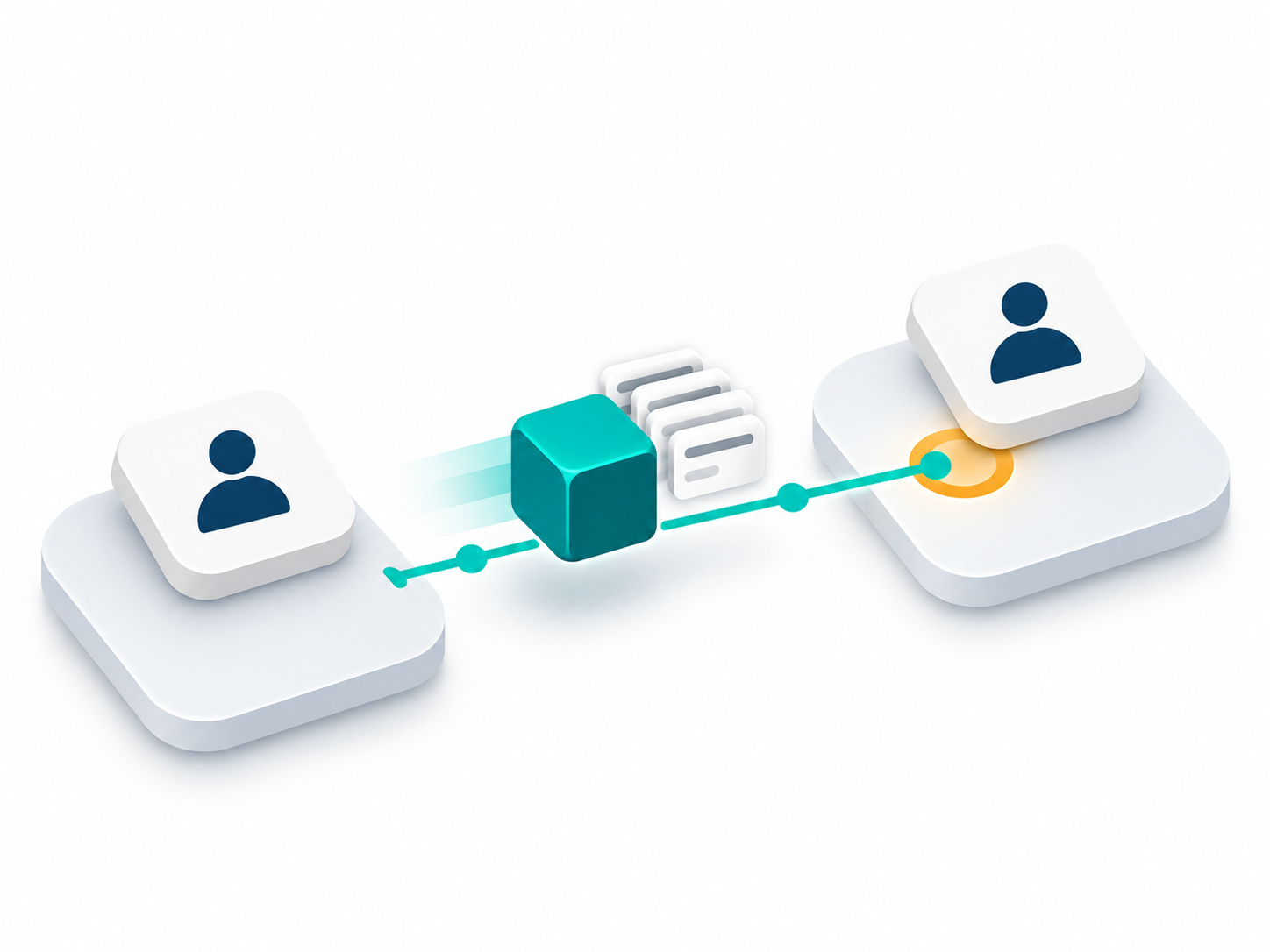
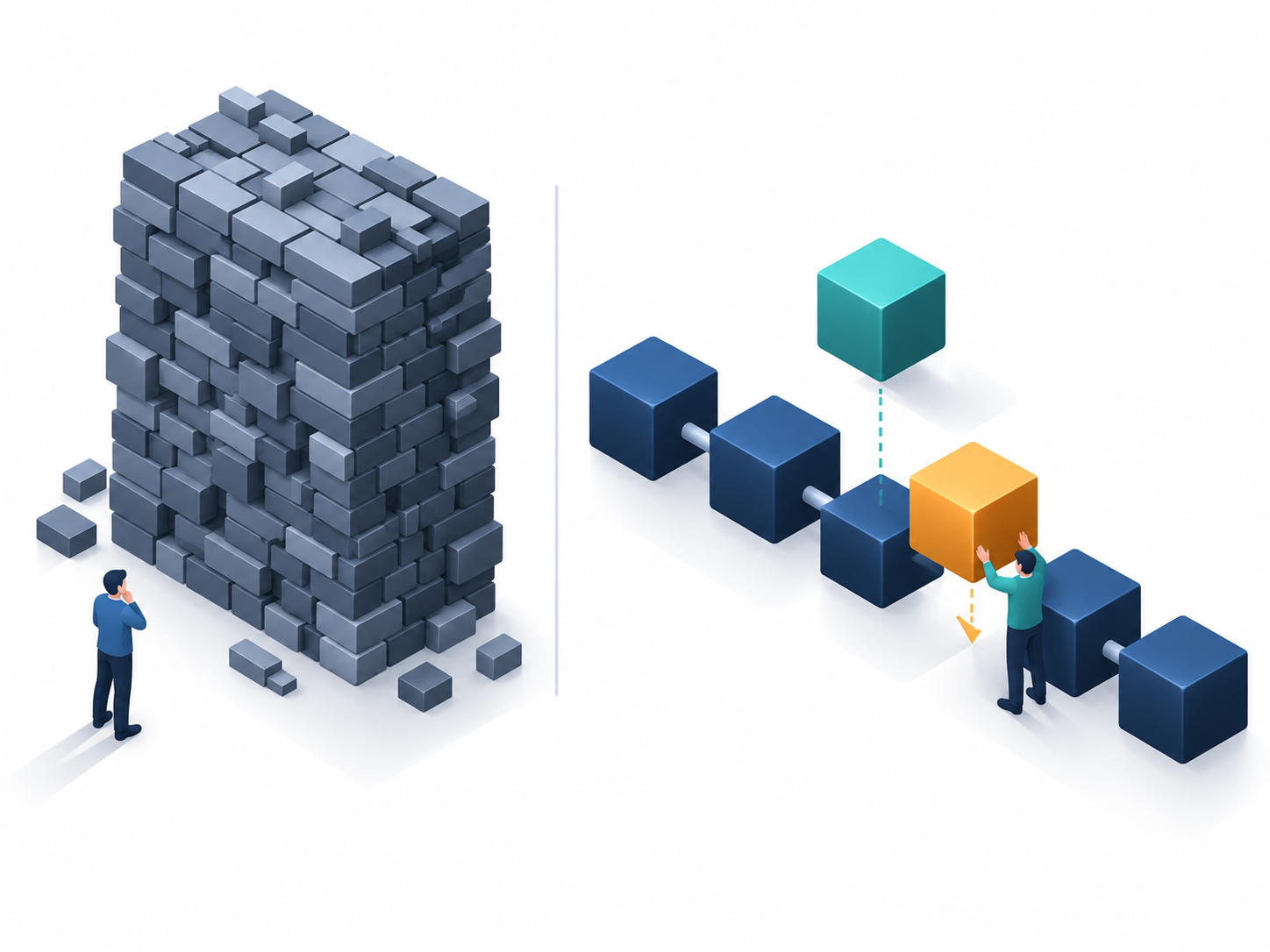
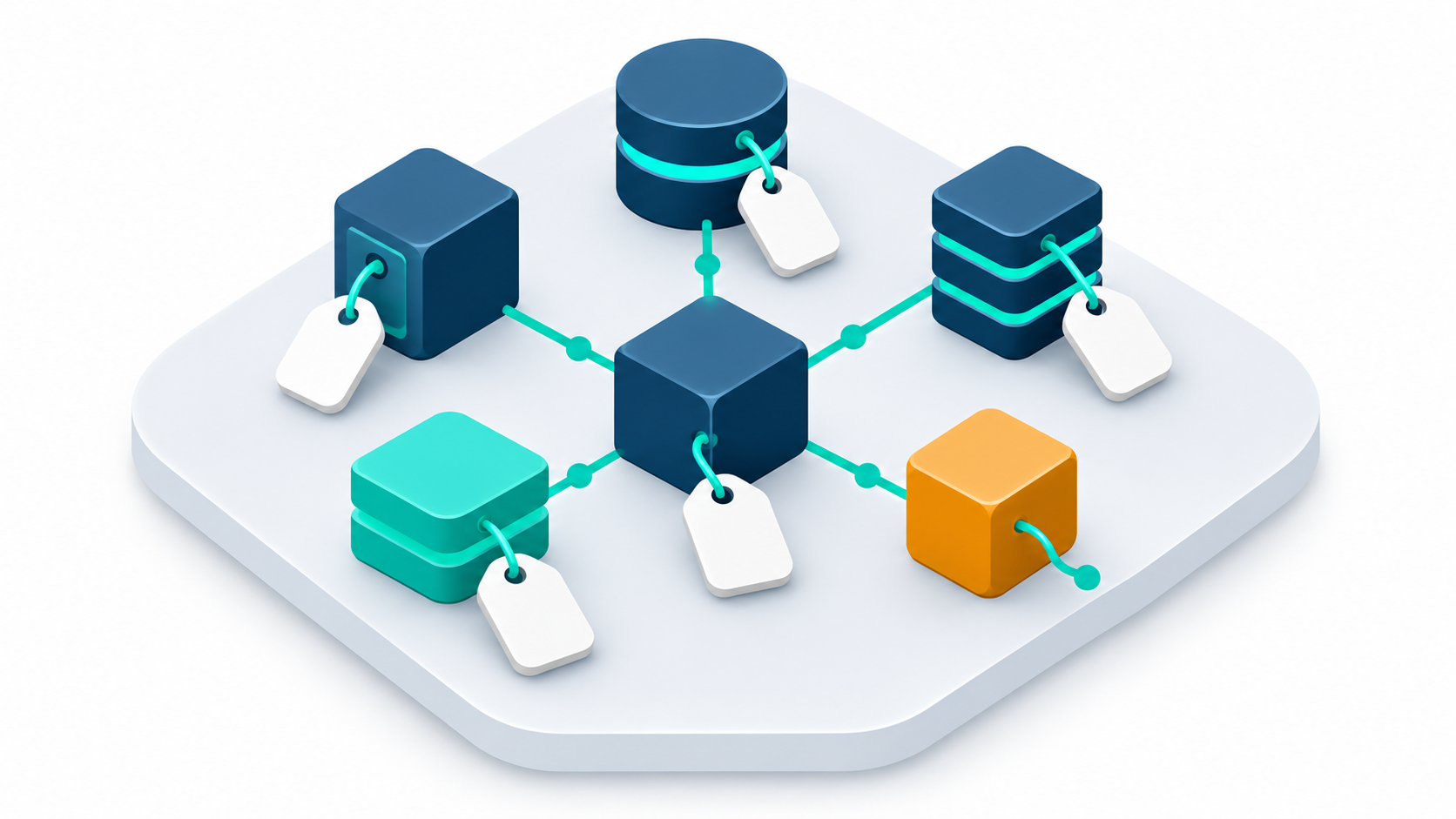
    Ownership has to move with the agent's record, so a new owner knows what the agent has done before taking responsibility for it.
    Ownership has to move with the agent's record, so a new owner knows what the agent has done before taking responsibility for it.

    Agent ownership is the assignment of a named person who is accountable for an agent's purpose, access and outcomes. It becomes the constraint because building an agent now takes hours, while most companies still have no default answer for who is responsible for it.

    Consider a finance controller who builds an agent to match bank statement lines against open invoices during month end close. It takes days off the close, and the team comes to depend on it. Six months later she moves to a role in another region, and the agent keeps running on her original access, suggesting entries against a chart of accounts that has since been restructured.

    Nobody did anything wrong in that story. The organization simply had no rule for who inherits an agent, so nobody did.

    The Builder Is Not Always the Right Owner

    The person who builds an agent is usually the person closest to the task, not the person accountable for its results. In the finance example, the controller built the agent, but every journal entry it influences is the responsibility of the head of financial close.

    Separating builders from owners can sound bureaucratic. In practice it is the same split companies already use for spreadsheets, reports and system settings that feed financial results.

    Approval Is Not a One Time Event

    An agent approved at launch can drift out of its approved scope as the systems, policies and data around it change. Ownership therefore includes periodic review, not a single sign off.

    An agent that was safe when it only suggested matches becomes a different risk the day someone extends it to post entries. The owner is the person who should notice that change and decide whether to accept it.

    Agents Outlive the Roles That Created Them
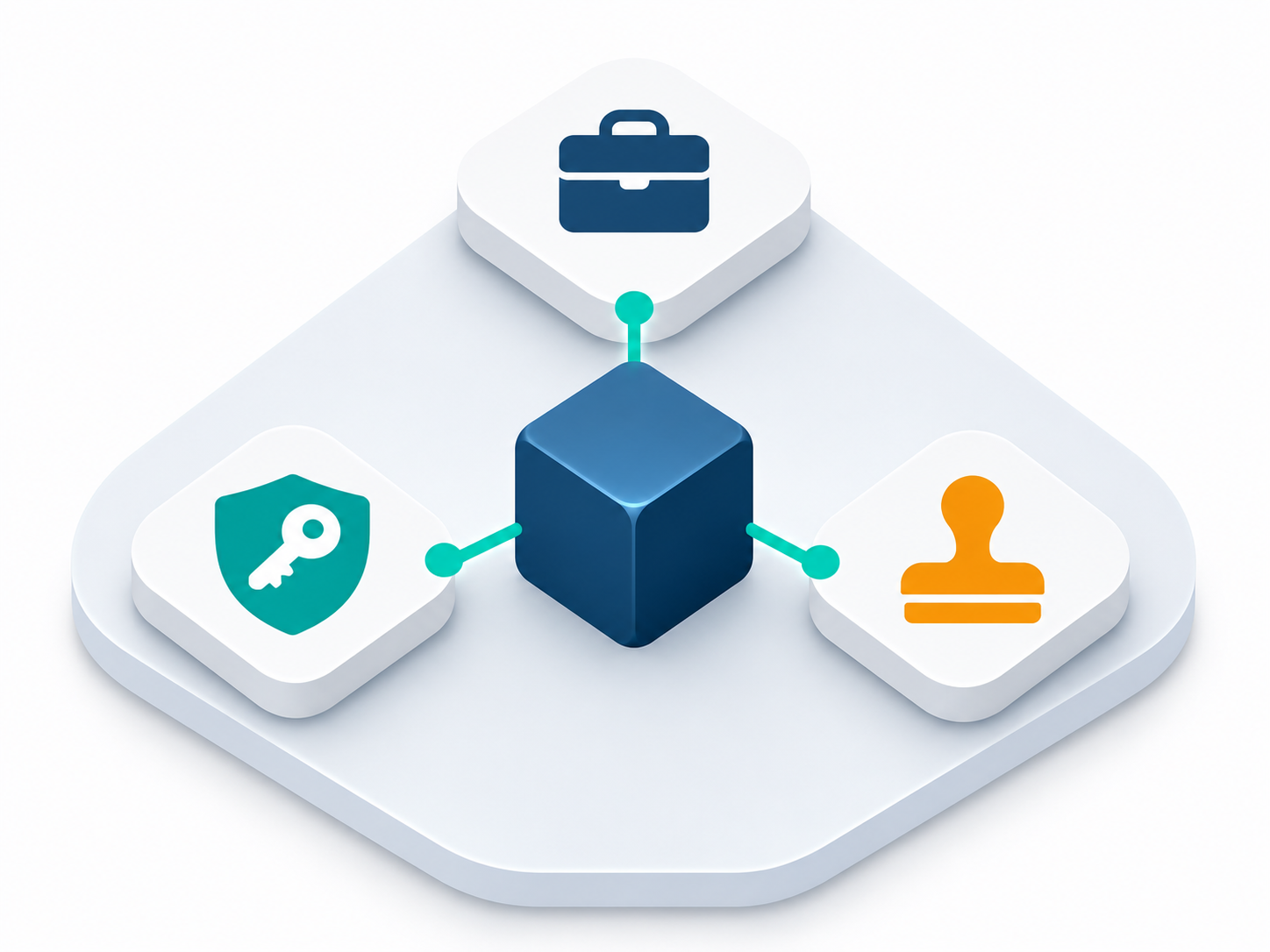
    An agent outlives the role that created it unless offboarding includes it.
    An agent outlives the role that created it unless offboarding includes it.

    Agents keep running through reorganizations, promotions and resignations unless something tells them to stop. Most offboarding processes close the human accounts and leave the agents untouched.

    Security teams now call these orphaned agents. They hold valid access and keep acting, but no current employee is accountable for them.

    Three Kinds of Agent Ownership Every Enterprise Will Need

    Agent ownership works best when it is split into three roles with separate responsibilities. The NIST AI Risk Management Framework treats clear accountability for AI outcomes as a core governance function, and these three roles are one practical way to put that into operation.

    RoleAnswers forTypical holder
    Business ownerWhether the agent should exist and whether its outcomes are acceptableHead of the function the agent serves
    Access ownerWhat the agent can read and write, in which systems, under which identityIT or security, together with each system owner
    ApproverIndividual actions above a defined risk level, before they executeA named reviewer in the business team

    A small personal agent can have one person in all three roles. An agent that touches payments, customer commitments or personal data should not, and its approval step belongs in a proper human in the loop design.

    What Agent Ownership Will Look Like in the Next Three Years

    Agent ownership will become a normal management responsibility, tracking the way companies already track headcount, budgets and system access. Several shifts are already visible in how large enterprises talk about their agents.

    • Agents will appear in team inventories. A manager will be expected to know which agents their team runs, just as they know which systems and vendors the team depends on.
    • Offboarding will include agents. When a person leaves or changes roles, every agent they own or built will be reassigned or retired as part of the process.
    • Ownership will transfer with history. A new owner will expect to see what the agent has done, which decisions escalated and how often it was corrected before accepting responsibility.
    • Authority will be earned over time. Agents with a clean record under one owner will receive more autonomy, while new or reassigned agents will start with tighter approval gates.

    None of this needs new technology to understand. It needs agents to be treated as part of the operating model rather than as tools individuals happen to use.

    The Cost of Getting Agent Ownership Wrong in Either Direction

    Agent ownership fails in two opposite ways. Too little structure creates orphaned agents, and too much structure stops people from building at all.

    If every agent needs a committee before launch, business teams will go back to building on their own, and the company is back to shadow AI. If no agent needs an owner, the company piles up agents that act with nobody answerable.

    The workable middle is proportional ownership. Low impact agents get a light registration and a named owner, while agents that write to financial, customer or personnel systems get the full three role structure and a place in agent identity governance.

    How AIQoD Approaches Agent Ownership

    AIQoD ties ownership to the agent itself, so responsibility and history move together when an owner changes. Business teams still build in plain language, and governance is attached to each agent when it is created.

    Every agent has its own scoped identity, with both read and write access set per agent and per system rather than inherited from its builder. Each agent also carries a Dynamic Twin that records its decisions, permissions and confidence over time, which gives a new owner the full record before accepting the handover.

    Conclusion

    The no code AI agent builder has changed who builds agents, and that change is not going to reverse. The real question for the next few years is whether every agent employees build has someone who answers for it.

    Enterprises that settle ownership early will be able to let more people build, because they will know every agent is accountable. Those that leave it open will end up tightening access later, usually after an orphaned agent has already acted.

    Frequently Asked Questions

    These answers cover the ownership questions enterprises raise most often once agent building spreads across business teams.

    Who should own an AI agent built with a no code AI agent builder?

    The business owner should be the leader accountable for the process the agent supports, even if someone else built it. Access ownership should sit with IT or security together with the owner of each connected system.

    What happens to an AI agent when its builder leaves the company?

    Without a defined process, the agent usually keeps running with its existing access and no accountable owner. Offboarding should include a review of every agent the person built or owned, ending in reassignment or retirement.

    Does every employee built agent need formal approval?

    Approval should scale with impact rather than apply equally to every agent. A personal productivity agent needs registration and a named owner, while an agent that writes to financial or customer systems needs review and approval gates.

    How is agent ownership different from software ownership?

    Software usually behaves the same way until someone changes it, while an agent can make different decisions as data and context change. That makes ongoing review of an agent's actions part of ownership, not just upkeep of its configuration.
    Related Articles

    AI Agent Integration Beyond the Firewall: When Your Agents Start Working With Other Companies' Agents

    AI Agent Integration Beyond the Firewall: When Your Agents Start Working With Other Companies' Agents

    AI agent integration is entering a third phase. After connecting agents to internal systems and to each other, enterprises will connect them to agents run by suppliers, customers and partners. Open protocols make the connection possible. Trust, authority, liability and proof of what was agreed are still unsolved, and they will decide how fast this phase moves.

    Read Article
    Shadow AI Is Becoming Shadow Agents: Why the Next Risk Is Action, Not Data

    Shadow AI Is Becoming Shadow Agents: Why the Next Risk Is Action, Not Data

    Shadow AI is moving from employees using unapproved chat tools to employees building unapproved agents that act on company systems. The risk changes with it. A chatbot can leak data, while an agent can update records, send messages and spend money under credentials nobody reviewed. Governance has to follow actions, not only data.

    Read Article
    Maintaining AI Generated Code in the Enterprise: The Hidden Cost of Fast Builds

    Maintaining AI Generated Code in the Enterprise: The Hidden Cost of Fast Builds

    Maintaining AI generated code in the enterprise depends on more than generation speed. Teams need clear structure, traceable dependencies, tested changes, reusable validated components and controlled operations after release. Modular, step based flows with scoped permissions and human approval keep AI enabled solutions understandable and safe to change for years.

    Read Article
    AI Agent Lifecycle Management: How Enterprises Run Agents From Build to Retirement

    AI Agent Lifecycle Management: How Enterprises Run Agents From Build to Retirement

    AI agent lifecycle management is the practice of controlling an agent through seven stages, from definition and build to evaluation, deployment, operation, improvement and retirement. Each stage ends in a decision that someone named has to make, backed by evidence, which is what keeps an agent estate governed as it grows.

    Read Article
    AI Agent Observability: How Enterprises Monitor AI Agents in Production

    AI Agent Observability: How Enterprises Monitor AI Agents in Production

    AI agent observability is the practice of recording and reviewing what agents do in production, covering task outcomes, tool calls, policy events, escalations and cost. It exists so an organization can tell whether an agent still behaves the way it did when it passed evaluation, and act before a small drift becomes a business incident.

    Read Article
    AI Agent Evaluation: How Enterprises Test and Validate Agents Before Production

    AI Agent Evaluation: How Enterprises Test and Validate Agents Before Production

    AI agent evaluation measures whether an agent completes real business tasks correctly, follows policy and escalates when it should. It judges the sequence of actions an agent takes, not only its final answer, and it works as the gate that decides whether an agent is allowed into production and stays there after every change.

    Read Article
    Human in the Loop AI: How Enterprises Design Approval and Escalation for AI Agents

    Human in the Loop AI: How Enterprises Design Approval and Escalation for AI Agents

    In human in the loop AI, people approve, correct or stop AI actions at decision points the business defines in advance. For AI agents, that means routing irreversible, low confidence and out of policy actions to a named approver, letting routine work run under monitoring and treating every approval as feedback that corrects the agent, so autonomy widens once its confidence is calibrated and its record is proven.

    Read Article
    How to Evaluate an Enterprise AI Platform: Criteria for CIOs and Architects

    How to Evaluate an Enterprise AI Platform: Criteria for CIOs and Architects

    Choosing an enterprise AI platform comes down to seven checks: governance enforced at runtime, scoped identity and access, deployment flexibility, integration depth, model flexibility, lifecycle operations and total cost. Testing each platform on one real process shows more than any feature list.

    Read Article
    AI Governance Framework: How Enterprises Structure Policies, Roles and Controls

    AI Governance Framework: How Enterprises Structure Policies, Roles and Controls

    An AI governance framework is the operating structure an enterprise uses to decide how AI is approved, controlled and monitored. It combines written policies, named owners, risk tiers, technical controls and ongoing monitoring, commonly aligned with the NIST AI RMF, ISO/IEC 42001 and the EU AI Act.

    Read Article
    AI Agent Orchestration: How Enterprises Coordinate Multi Agent Workflows

    AI Agent Orchestration: How Enterprises Coordinate Multi Agent Workflows

    AI Agent Orchestration coordinates specialized AI agents across enterprise workflows by managing task routing, delegation, communication, context transfer and workflow state, so the right agent handles each task and complex processes remain observable and accountable.

    Read Article
    Read and Write Security for AI Agents: Controlling Enterprise Actions

    Read and Write Security for AI Agents: Controlling Enterprise Actions

    Read and Write Security for AI Agents defines how enterprises control the information agents can retrieve and the changes they can make across business systems, separating read permissions from write permissions, limiting tool access, enforcing approval gates and recording every important action.

    Read Article
    AI Agent Governance: How Enterprises Manage Agent Ownership, Policies, and Lifecycle

    AI Agent Governance: How Enterprises Manage Agent Ownership, Policies, and Lifecycle

    AI Agent Governance defines how enterprises establish accountability, ownership, policies, and lifecycle controls for AI agents, so organizations can manage agent adoption while maintaining oversight, consistency, and accountability.

    Read Article
    AI Agent Identity Governance: The Enterprise Shift From Access to Accountability

    AI Agent Identity Governance: The Enterprise Shift From Access to Accountability

    AI agent identity governance is becoming a core enterprise requirement as autonomous agents gain access to business systems and data. Organizations now need to identify agents, define their permissions, assign accountable human sponsors, monitor activity and manage access throughout the agent lifecycle.

    Read Article
    Enterprise Intelligence Layer: The Architecture Behind Governed Enterprise AI

    Enterprise Intelligence Layer: The Architecture Behind Governed Enterprise AI

    An Enterprise Intelligence Layer connects enterprise data, business context, AI agents, workflows, governance, and human oversight into a shared operating foundation, instead of every AI system recreating context and controls on its own.

    Read Article
    Agentic AI Statistics 2026: Adoption, ROI & Market Size

    Agentic AI Statistics 2026: Adoption, ROI & Market Size

    Verified agentic AI statistics for 2026: market size, adoption rates, ROI, and failure rates — sourced from Gartner, McKinsey, IDC, and Deloitte.

    Read Article
    What Is Agentic AI? The Complete Enterprise Guide (2026)

    What Is Agentic AI? The Complete Enterprise Guide (2026)

    Agentic AI is software that pursues goals and completes multi-step tasks on its own. Learn how it works, how it differs from generative AI, and enterprise uses.

    Read Article
    After Two Days at Google, I Realized Most Companies Are Not Ready for What's Coming in AI

    After Two Days at Google, I Realized Most Companies Are Not Ready for What's Coming in AI

    Discover key insights from the Google Mountain View AI conference. Learn why agentic AI, context-driven systems, and operational intelligence are the future of enterprise software.

    Read Article

    Ready to Implement Agentic AI?

    Transform your enterprise with AIQoD's autonomous agents. Experience the future of agentic execution today.